01
Call and describe
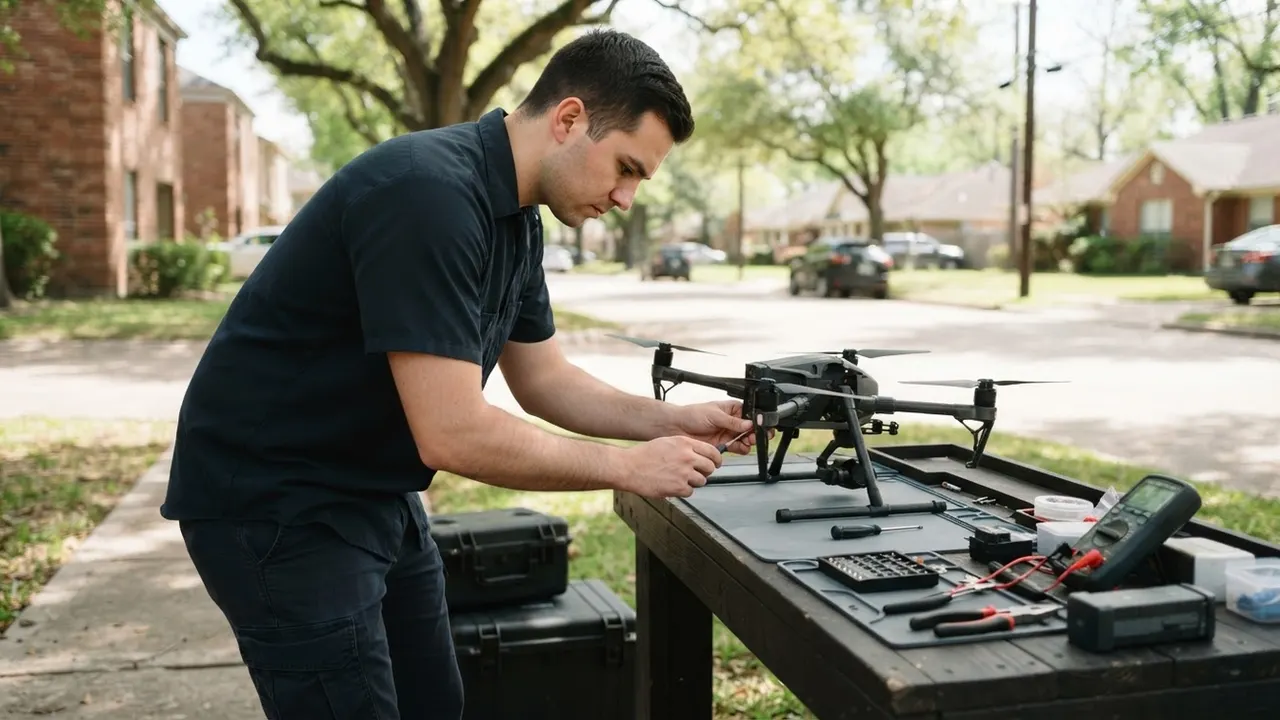
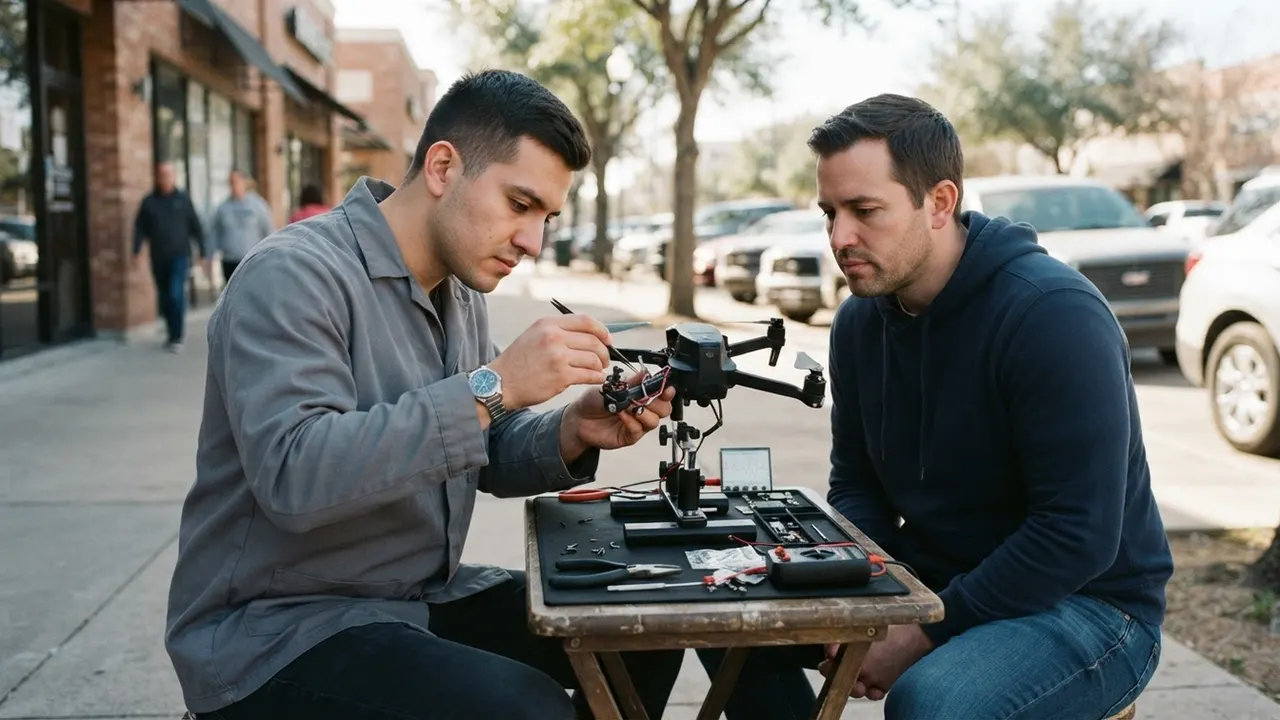
Tell us what the aircraft is doing: video cutting out at 300 feet, controller beeping, no GPS lock, or a visible broken mast. We ask for the model and the crash story. Two minutes on the phone usually tells us whether it is an antenna, a receiver, or a compass calibration error.
02
Bench diagnostic
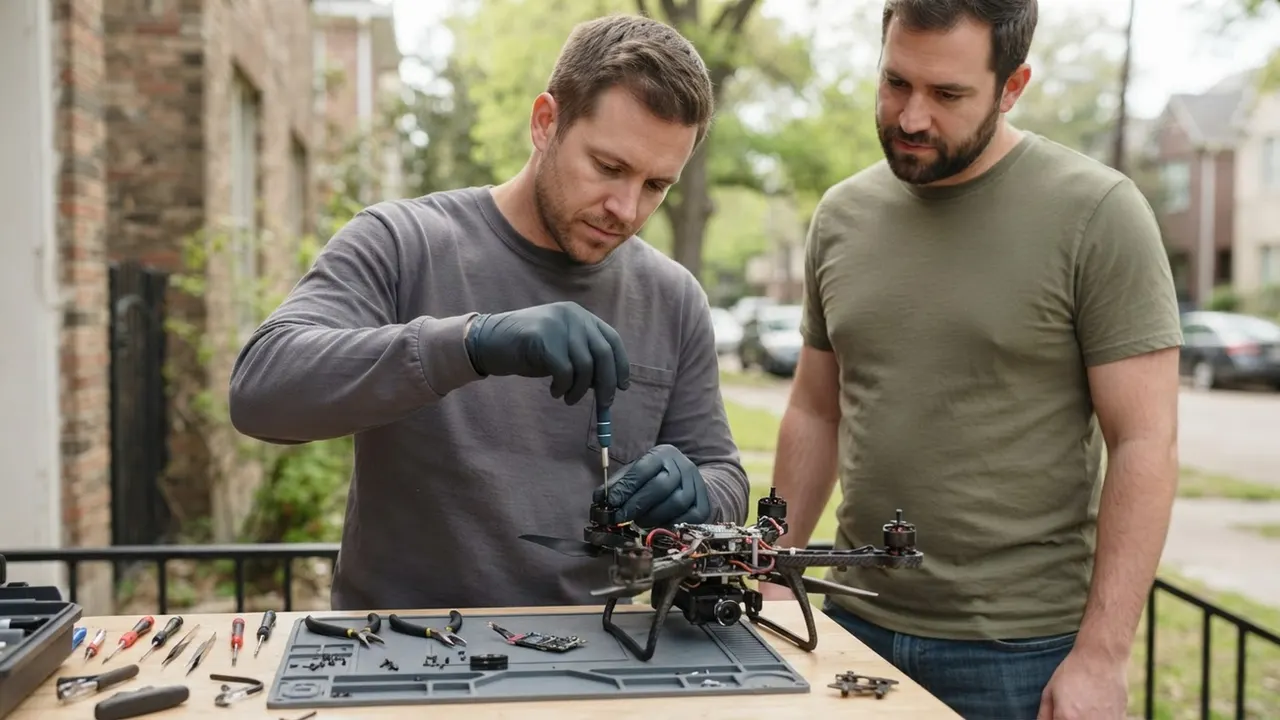
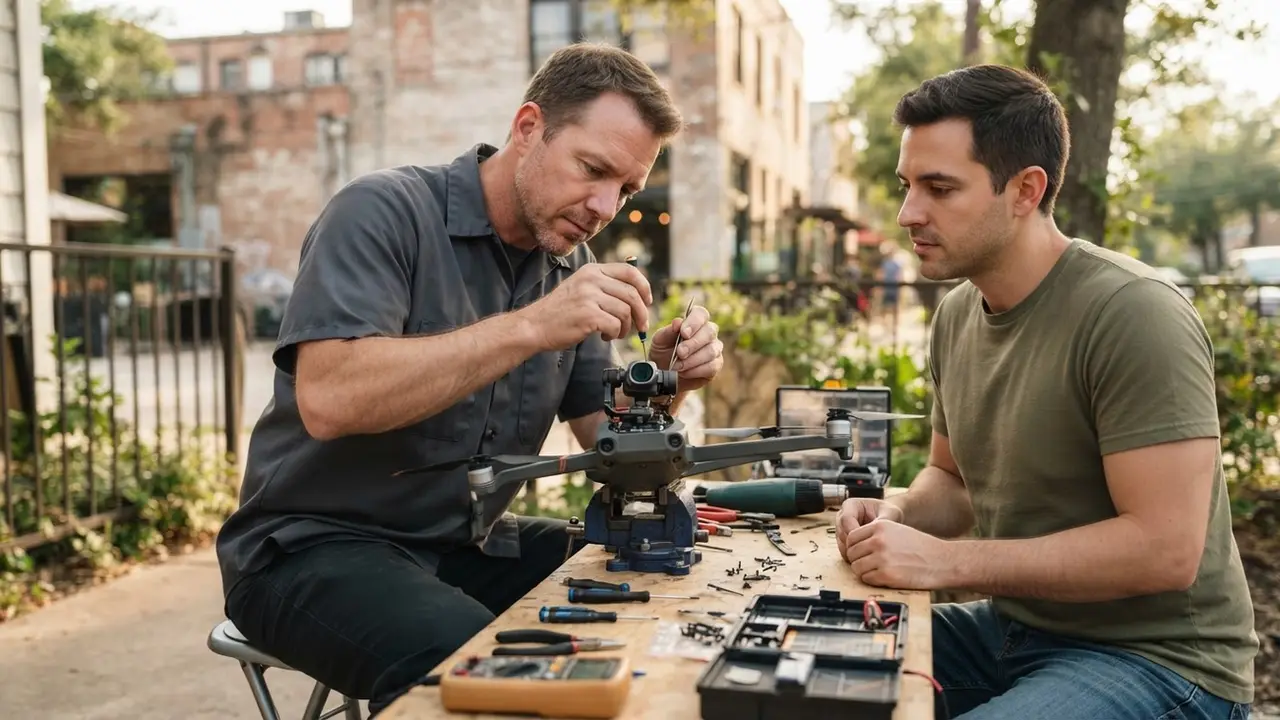
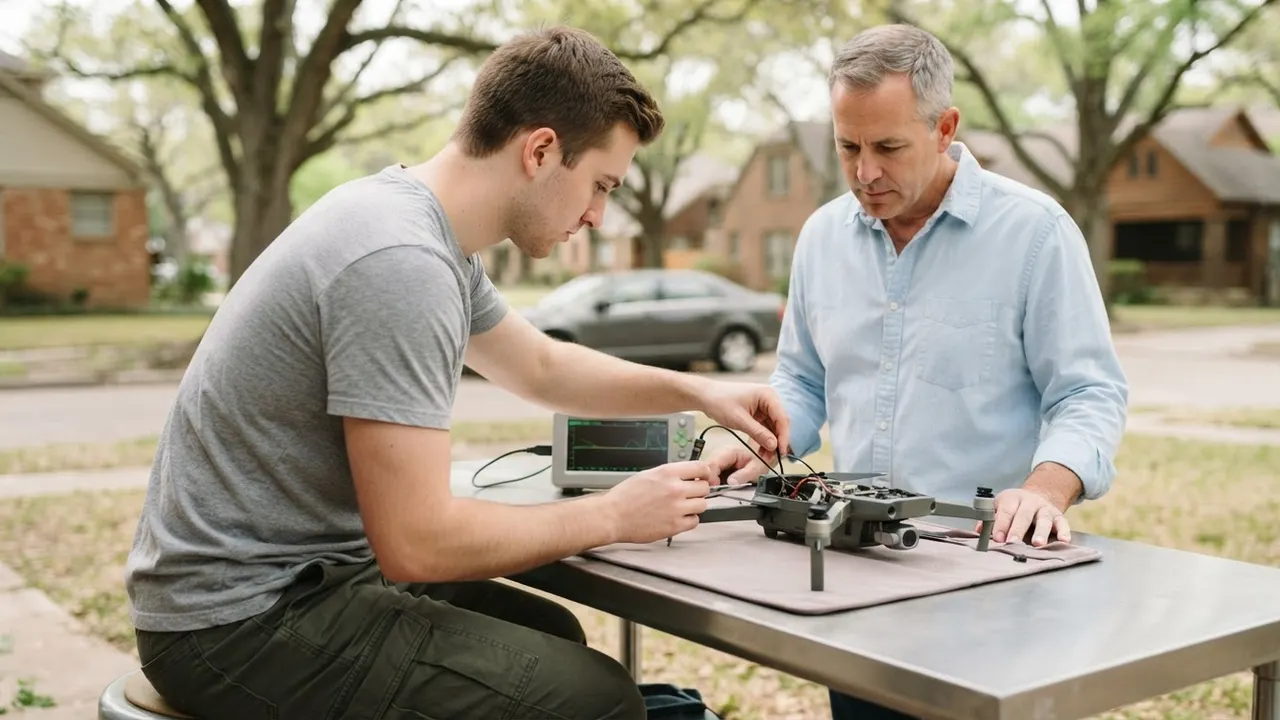
We open the shell, inspect the antenna mounts and coax, and run the aircraft on the bench with a multimeter and oscilloscope. This takes 30 to 45 minutes. You get a straight answer on what failed and what it costs to fix, with no charge for the diagnostic if you approve the repair.
03
Repair and re-solder
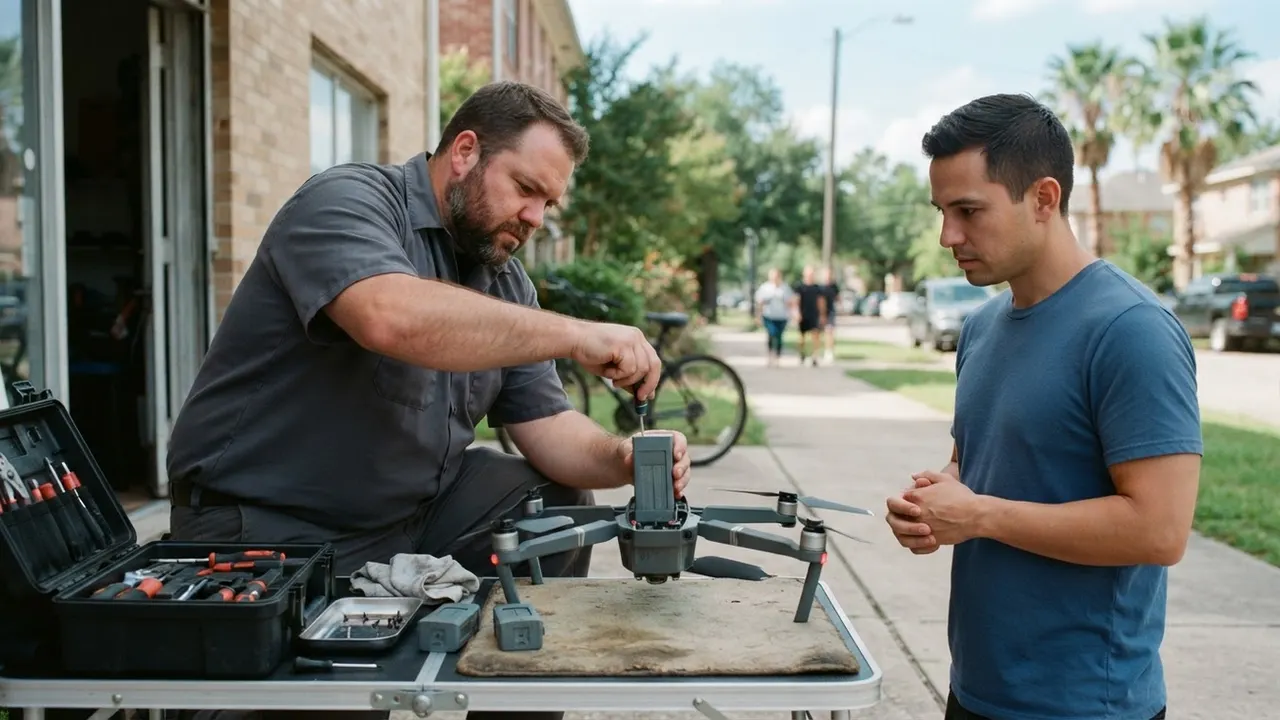
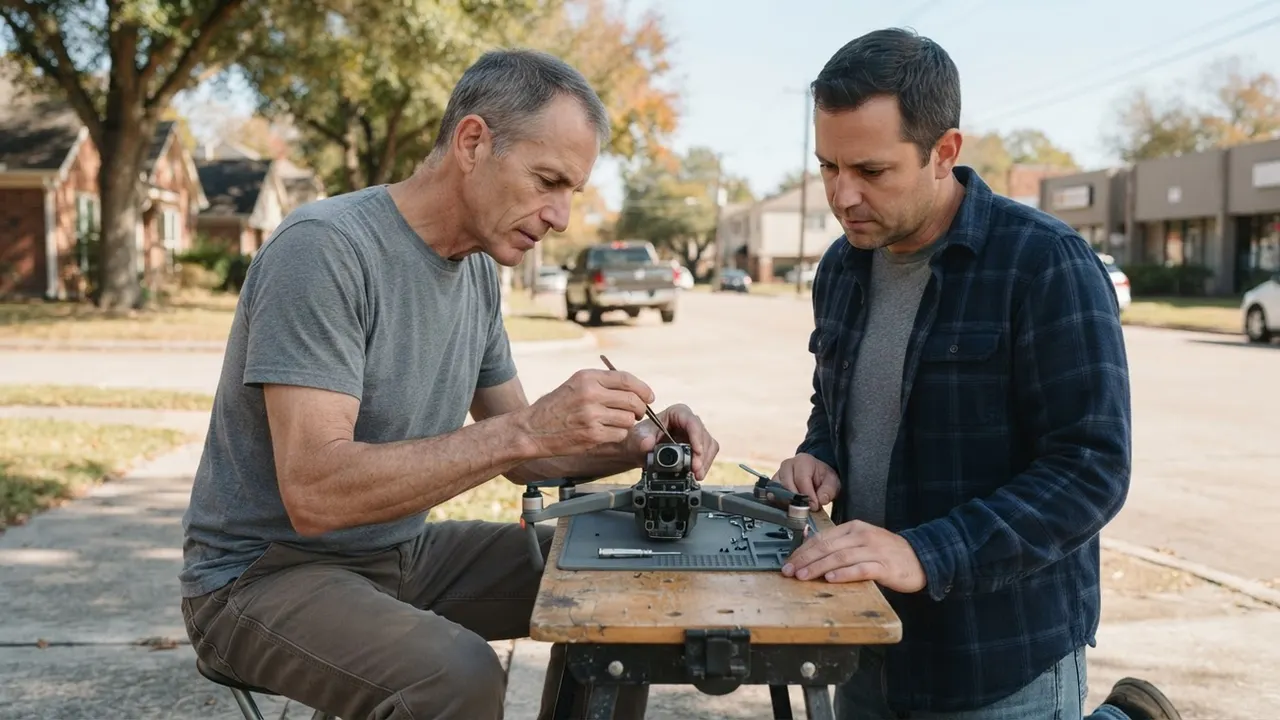
Depending on the failure, we replace the antenna assembly, re-solder the U.FL connector, repair the coax, or swap the receiver board. We use a temperature-controlled soldering station and a hex driver set sized for the airframe, so small screws and plastic housings come apart without stripping.
04
Signal and flight test
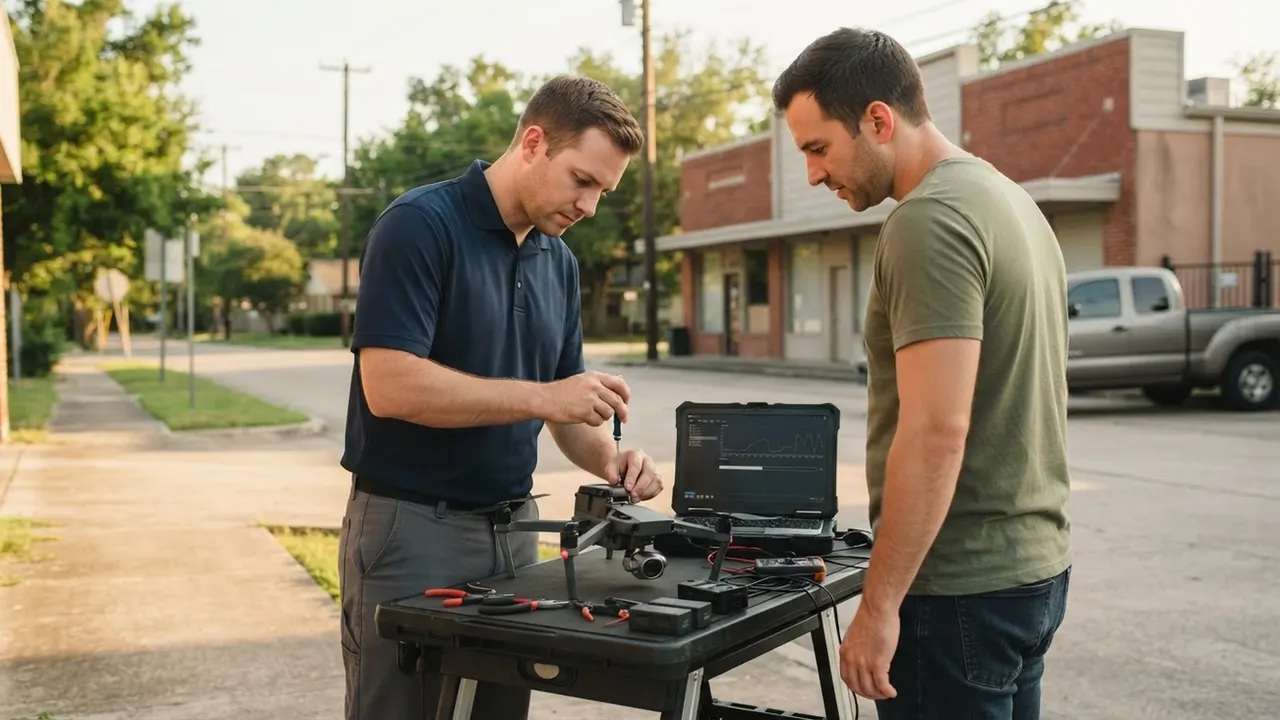
Every repair gets a live link test and a short hover. We check range, video feed stability, and controller response, then run a compass and IMU calibration on the stand. If the numbers are not right, it does not leave the bench. This step is why our repairs hold up.
05
Pickup and walkthrough
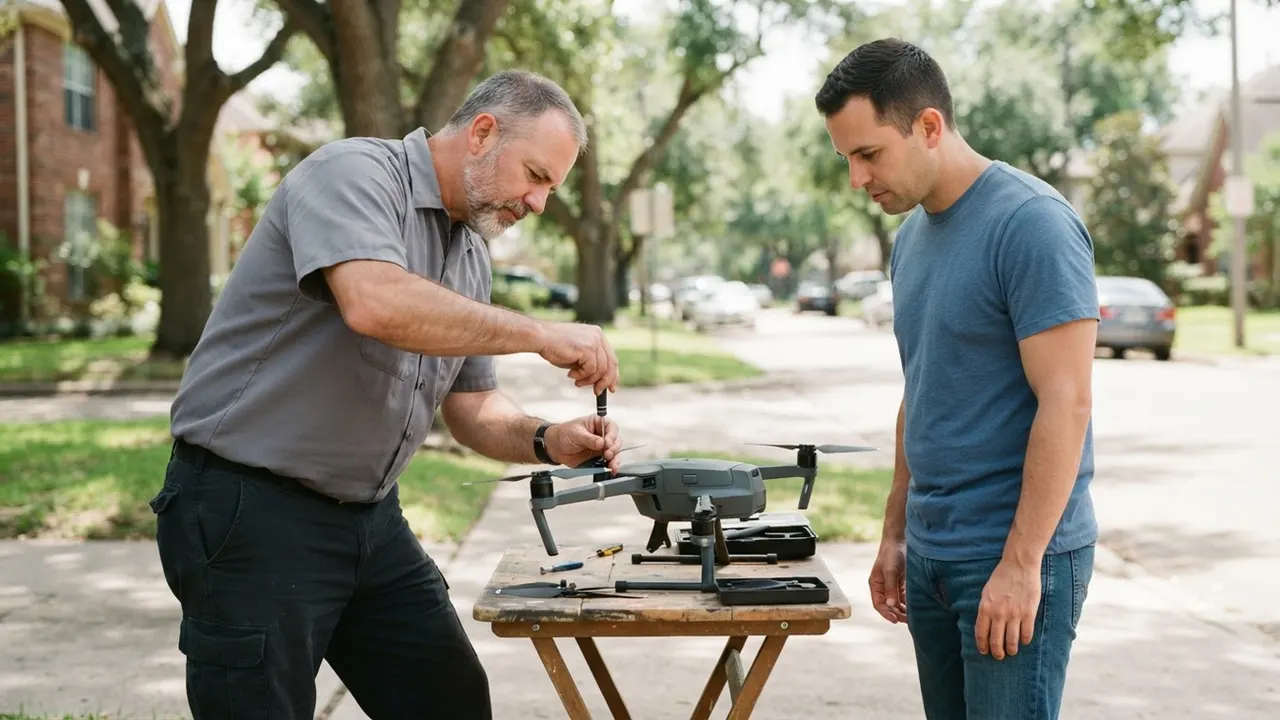
We hand the aircraft back with the old parts and a short explanation of what failed and how to avoid it next time. Most customers are in and out in under 15 minutes. If you are in Katy, Pearland, or The Woodlands, we can talk through the repair on the phone before you drive over.