Signal loss, binding failures, and damaged receivers fixed fast

Drone receiver repair Houston TX done right the first time

When your drone won't bind, drops signal mid-flight, or refuses to connect to the controller, you need drone receiver repair Houston TX pilots trust. We service DJI, Autel, Skydio, and custom FPV builds across Harris County. Most receiver repairs are finished same day, with a binding test before your drone leaves the bench.

↗
Fast online booking

Request service today

Tell us what is happening. Our local team will confirm your visit shortly.

No spam. No obligation. Just practical help.
Thanks — we'll call shortly to confirm your visit.
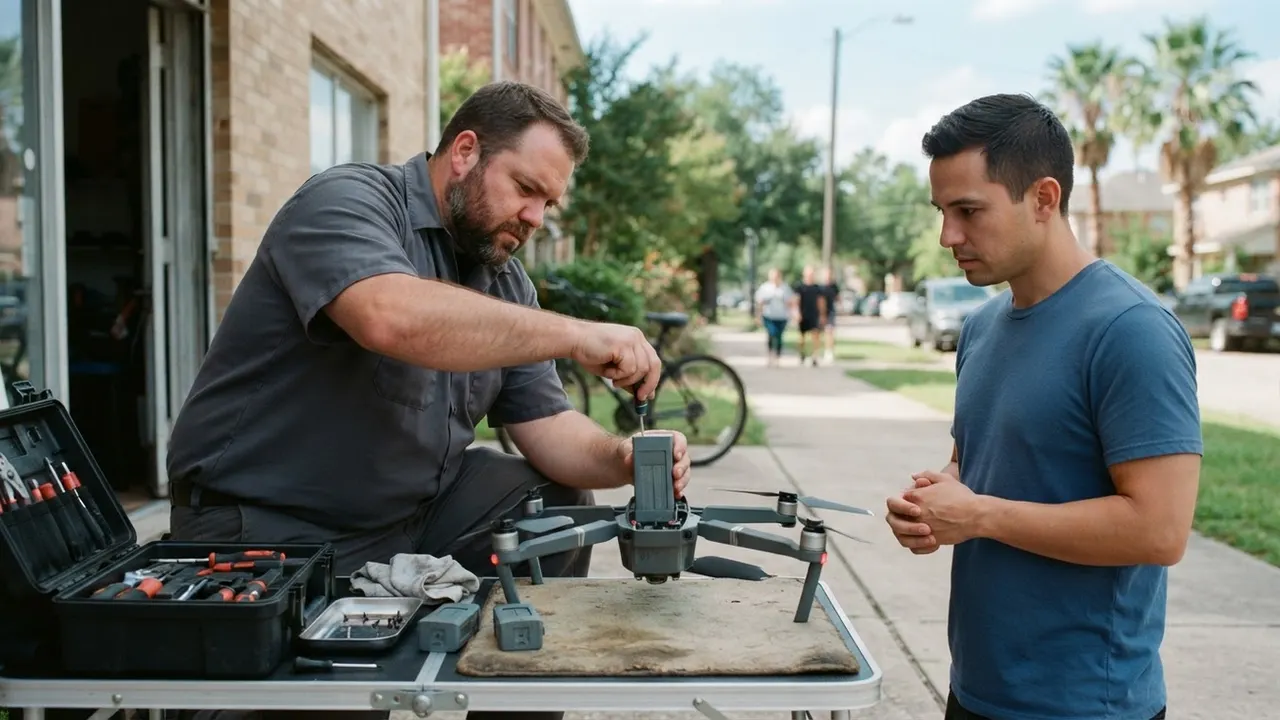
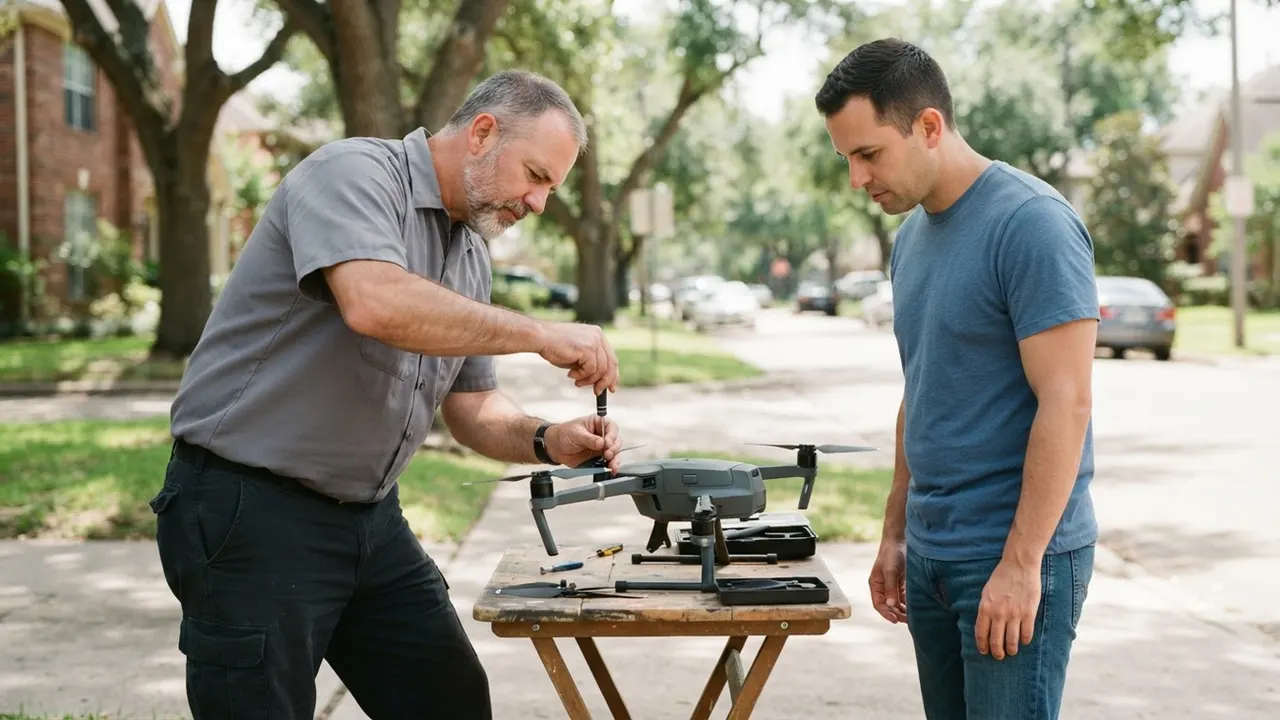
Drone repair in Houston : finished result of a high-quality Drone repair job
Careful work. Honest options.
About this service

What Drone receiver repair Houston TX actually involves

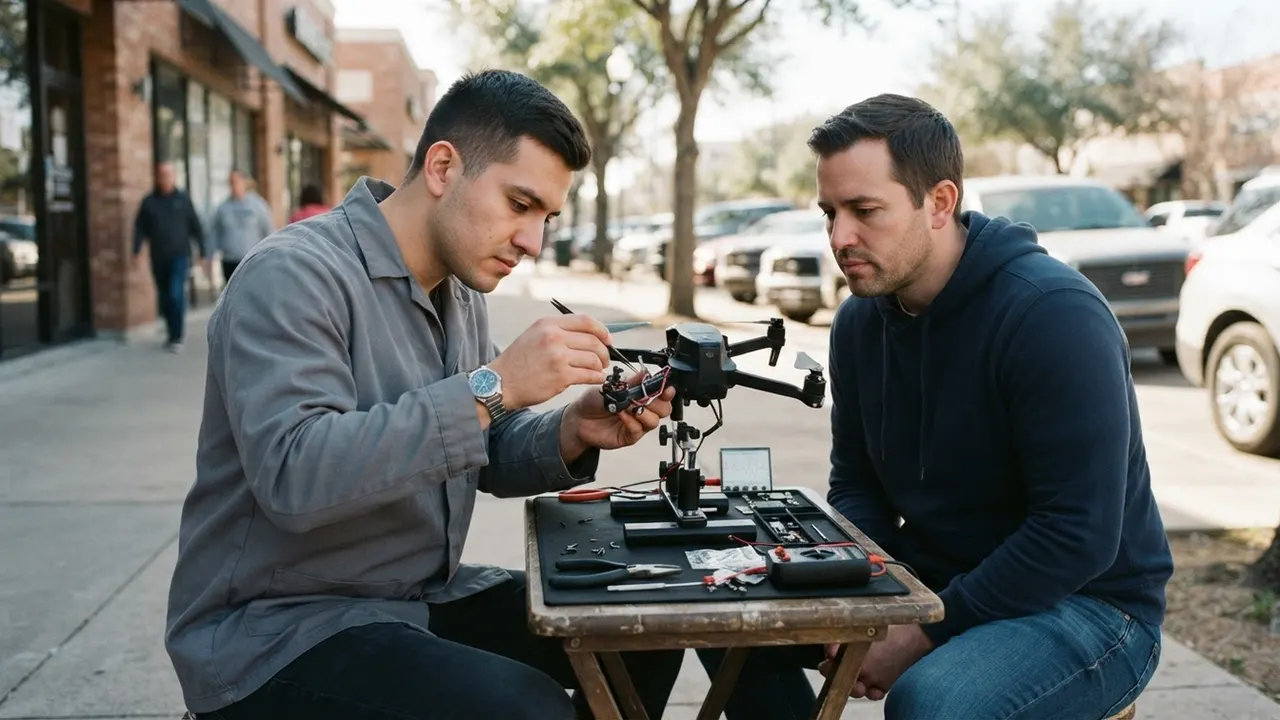
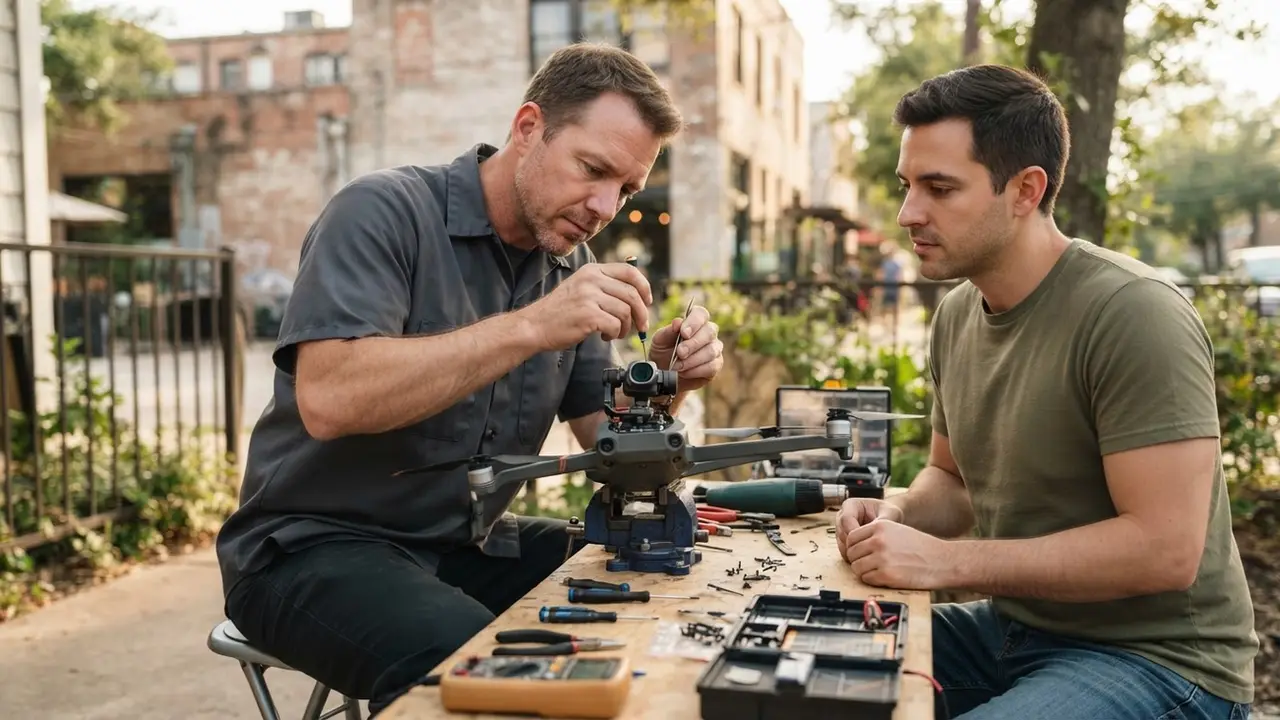
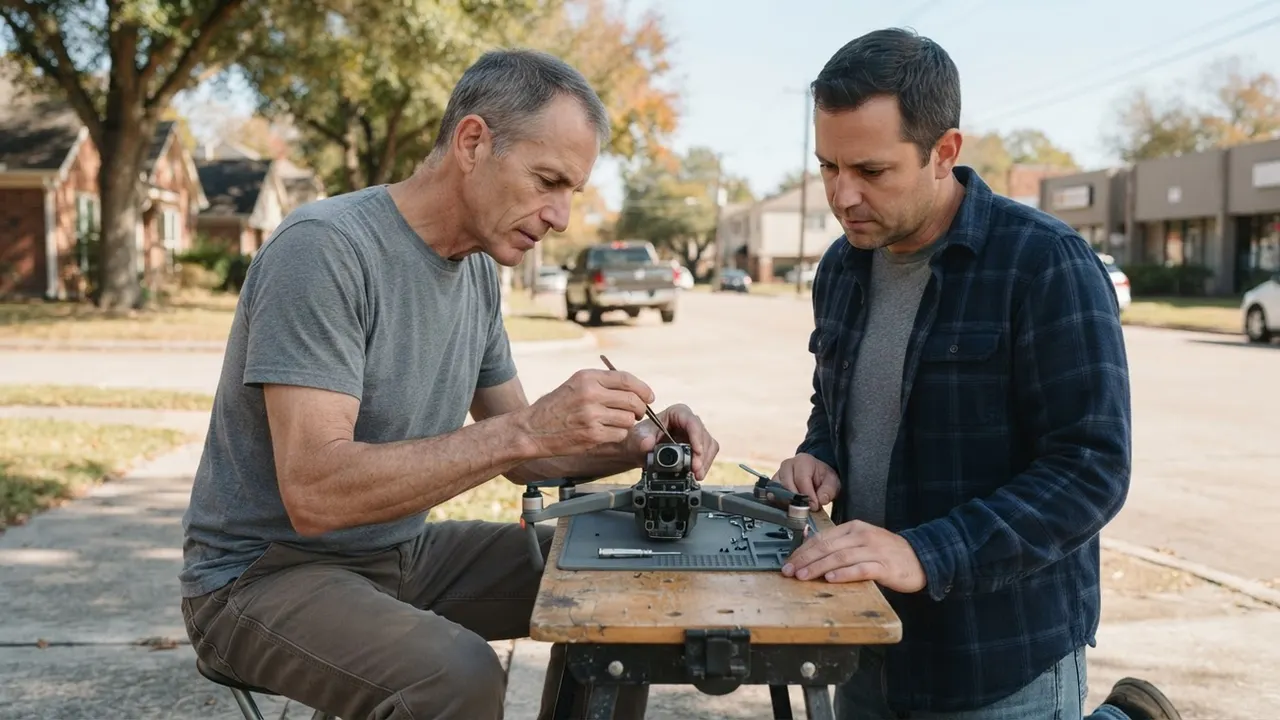
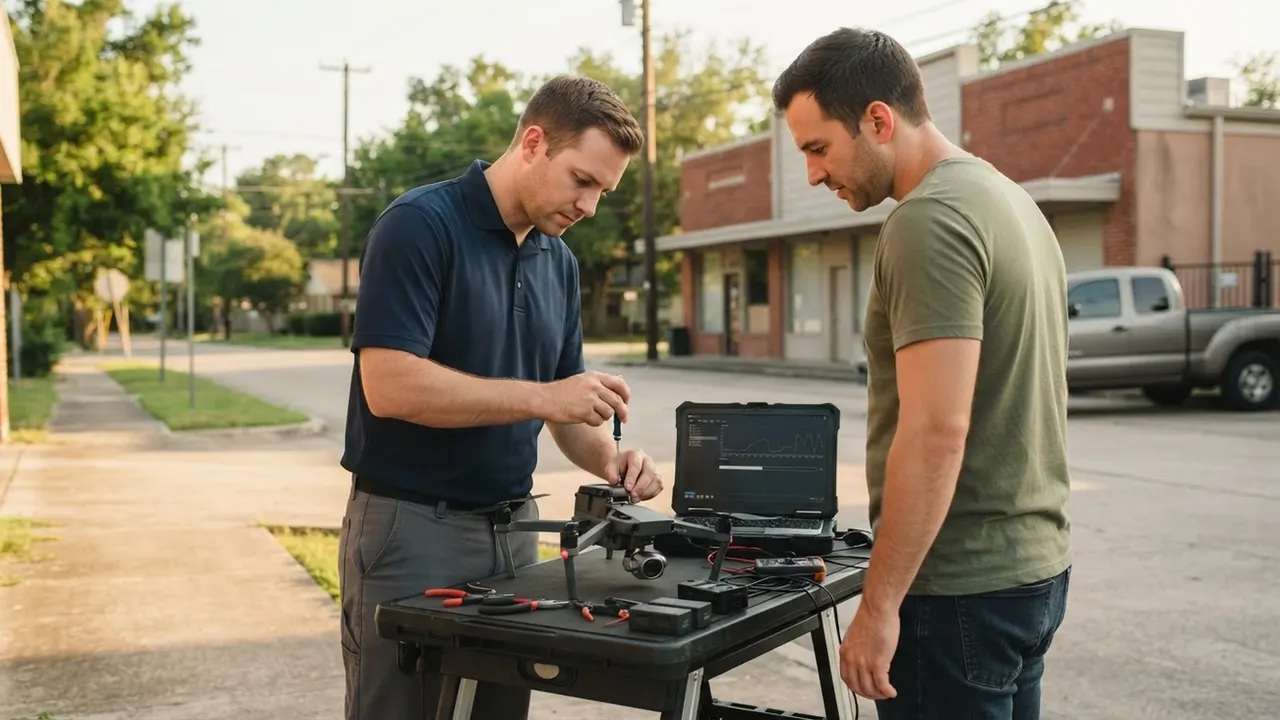
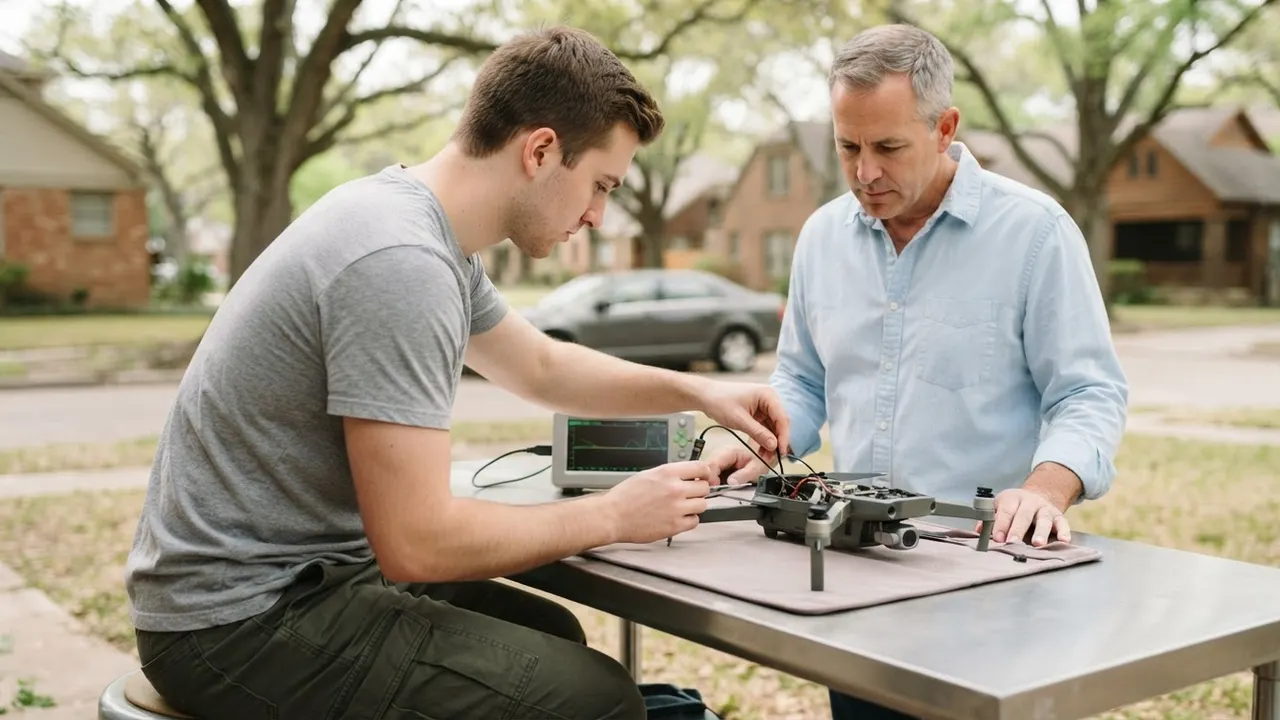
Drone receiver repair Houston TX is the bench-level service that restores the radio link between your aircraft and its controller. The receiver is a small board or module that decodes signals from your transmitter, and when it fails you get dropouts, failsafe triggers, or a drone that simply won't arm. We pull the module, inspect the antenna leads and solder joints under magnification, then test the board with a multimeter and oscilloscope to isolate whether the fault is the receiver itself, the flight controller, or the wiring between them.

Houston's heat and humidity are hard on receiver boards. A drone that sat in a hot car in the Galleria Area or flew through a sudden bayou downpour can develop corrosion on the receiver pins that looks like a dead module. We see this constantly in Bellaire and Meyerland after summer storms. If you're searching for where to repair drone receiver in Houston TX, bring it in and we'll tell you in about 30 minutes whether it's a clean-and-resolder job or a full replacement.

  • ✓ Same-day turnaround
  • ✓ Real diagnostic testing
  • ✓ All major brands serviced
  • ✓ Warrantied workmanship
What's included

What our Drone receiver repair includes

Every receiver repair starts with diagnostics and ends with a flight test. Here's what's covered and what we check along the way.

✓

Full signal path diagnostic

We test the transmitter, receiver, antenna leads, and flight controller connections. A multimeter and oscilloscope trace the signal from end to end so we fix the actual fault, not a symptom.

✓

Receiver repair or replacement

Corroded boards get cleaned and re-soldered. Dead modules get replaced with matched parts. We use temperature-controlled soldering stations and ESD protection on every board.

✓

Antenna and coax service

Damaged antennas and pinched coax leads are the top cause of weak receiver signal. We replace or repair them and confirm range before the drone leaves the bench.

✓

Binding and channel test

We bind the receiver to your controller and verify every channel responds correctly. If your model supports telemetry, we check signal strength readings and log them for you.

✓

Flight test and range check

A hover and maneuver test confirms the link holds under load. We range-test on the ground and in the air so you know exactly what your receiver can do.

✓

Written repair summary

You get a short report: what failed, what we replaced, what we tested, and what to watch for. It helps if you ever need warranty service or want to track patterns.

How it works

How our receiver repair process works

01

Intake and flight log

You tell us what the drone did: dropped signal, wouldn't bind, failsafe at 200 feet. We log the symptoms, the firmware version, and the controller you're using. Takes about 10 minutes at the counter.

02

Bench diagnostics

We open the airframe and inspect the receiver, antenna leads, and flight controller connections. A multimeter checks continuity; an oscilloscope traces the signal path. This is where we find out if it's the receiver, the antenna, or something upstream.

03

Repair or replace

If the receiver is salvageable, we clean corrosion, reflow cold solder joints, and reseat connectors. If it's dead, we install a replacement module matched to your airframe. Most jobs take 1 to 3 hours on the bench.

04

Binding and range test

We bind the receiver to your controller, run a full channel check, and do a ground range test. If your drone has telemetry, we confirm signal strength readings before it ever leaves the shop.

05

Flight test and handoff

A short hover and maneuver test confirms the link holds under load. You get your drone back with a written summary of what failed, what we did, and what to watch for next time.
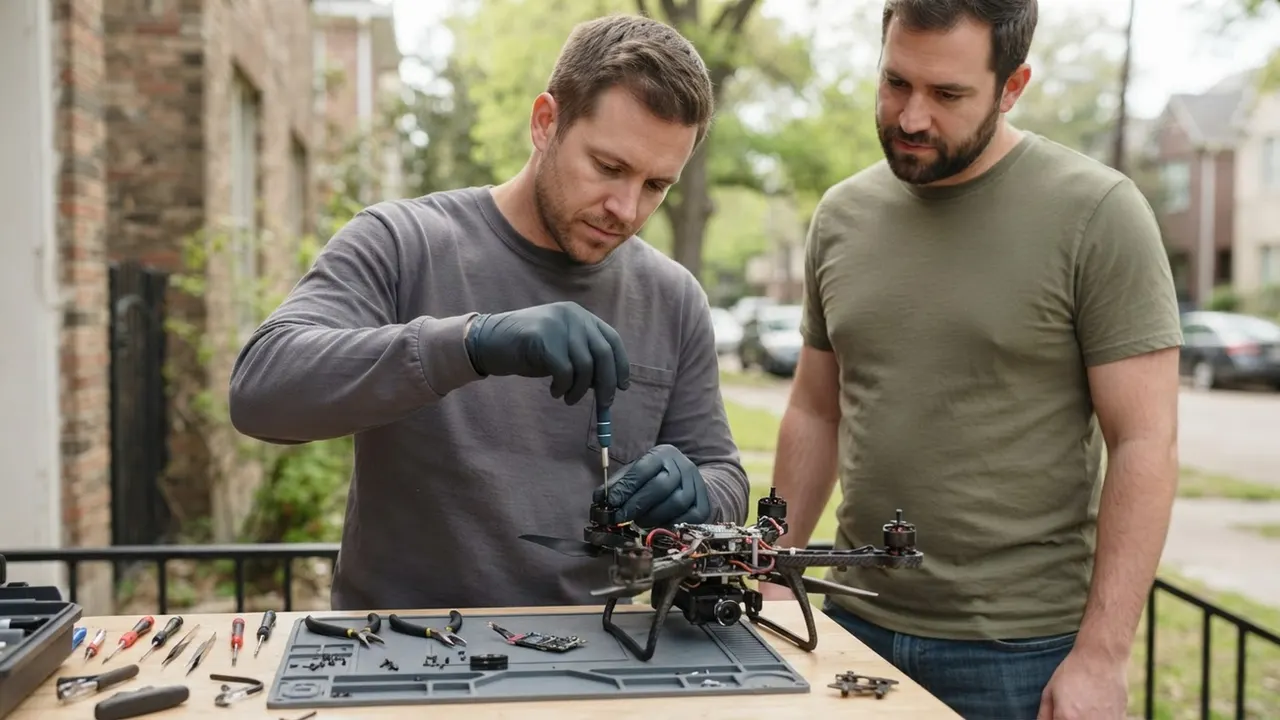
Tools & methods

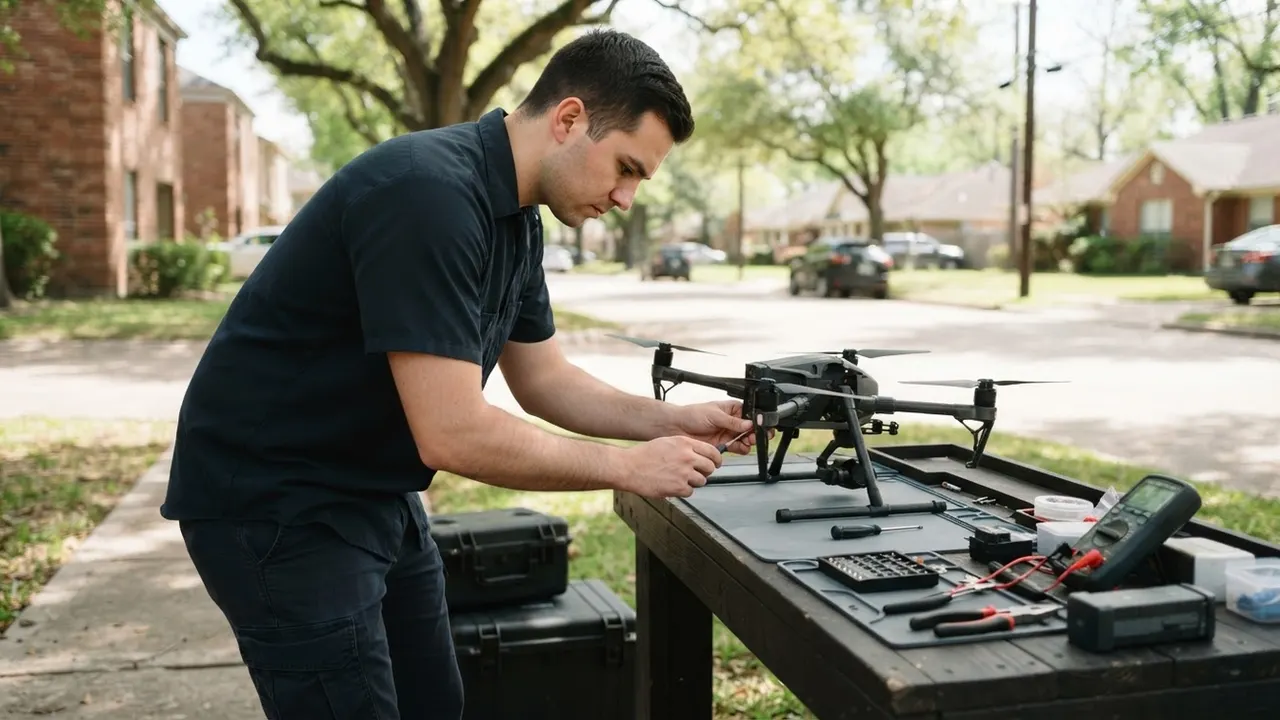
Tools and methods we use on receiver repairs

Purpose-built equipment, used by trained technicians — so the job is done accurately the first time.

Oscilloscope

Traces the signal path from receiver to flight controller to find where packets are dropping or degrading.

Multimeter

Checks continuity and voltage on receiver pins, antenna leads, and power rails to isolate shorts and opens.

Temperature-controlled soldering station

Reflows cold joints and installs new receiver modules without damaging sensitive boards.

Thermal imaging camera

Finds heat-related faults on receiver boards and power components that only show up under load.

Propeller balancer

Balances props after repair to reduce vibration that can loosen receiver mounts and antenna leads.

Compressed air blower

Clears dust and debris from receiver boards and connectors before diagnostics and after cleaning.

Gimbal calibration tool

Recalibrates the gimbal after repairs that require opening the airframe near the receiver.

Real results

Before and after.

Mavic 3 signal drop fixed same day

Before

A commercial pilot in the Energy Corridor was losing signal at 400 feet during roof inspections. Two other shops said the drone was unfixable. The receiver had a corroded pin and a cracked antenna lead.

After

We cleaned the corrosion, replaced the antenna lead, and re-soldered the receiver connection. Signal held at 1,200 feet in the post-repair range test. Total bench time was 3 hours.

Autel EVO binding failure resolved

Before

A Bellaire hobbyist crashed in a bayou after a storm. The receiver wouldn't bind, and the drone was unresponsive. Water had gotten into the receiver connector.

After

We did a full teardown, ultrasonic-cleaned the receiver board, replaced the connector, and re-bound to the controller. The drone flew normally the next day. Cost was $185.

FPV race build back on track

Before

A Clear Lake FPV racer blew a receiver in a crash at a Pasadena race. The drone wouldn't arm, and the race was the next morning. The receiver module was physically cracked.

After

We installed a replacement receiver matched to the pilot's protocol, re-soldered the antenna, and range-tested on the bench. The racer was flying by 9 a.m. the next day.

Problems we solve

Receiver problems we fix for Houston pilots

Most receiver faults fall into a handful of categories. Here's what we see and how we handle it.

Ask a pro →
01

Drone won't bind to the controller after a firmware update

We roll firmware to a known-good version, re-bind the receiver, and test every channel. If the update corrupted the receiver's pairing data, we reflash it. Most binding issues are fixed in under an hour.

↗
02

Signal drops and failsafe triggers mid-flight

We trace the signal path with an oscilloscope and inspect antenna leads for corrosion or pinching. Houston humidity corrodes receiver pins fast. We clean or replace the affected parts and range-test before handoff.

↗
03

Receiver damage from crash or water exposure

We do full teardown, ultrasonic cleaning for water damage, and board-level repair or replacement. Antenna mounts get rebuilt and re-tuned. Every job ends with a binding and range test.

↗
04

Intermittent signal loss that only happens in certain spots

We log signal strength over multiple test flights and use thermal imaging to find heat-related faults. If it's interference from an accessory or a bad ground, we isolate and fix it. You leave with data, not guesses.

↗
Transparent pricing

Drone receiver repair cost in Houston TX

$120 - $450 depending on module and damage

Receiver repairs in 2026 typically run $120 to $380. A clean-and-resolder job on a corroded board is at the low end. A full module replacement on a DJI Mavic or Autel EVO lands in the middle. High-end commercial rigs with dual receivers can reach $450. Diagnostics are $45 and waived if you approve the repair. We quote firm pricing after diagnostics, so you know the number before we touch your drone.

A receiver repair costs a fraction of a new drone and gets you flying the same day. We test every repair before handoff, so you're paying for a proven fix, not a guess.

01Receiver module type

Standard DJI and Autel modules cost less than proprietary or dual-receiver commercial units. The part price drives most of the difference.

03Antenna and coax condition

If antenna leads or mounts need replacement, add $30 to $80. We always check these because they're a common cause of weak signal.

04Airframe disassembly

Some drones require significant teardown to reach the receiver. Compact airframes with tight internals take longer and cost more in labor.

Proof you can check

Credentials and reviews

✓
FAA Part 107 Remote Pilot CertificateFederal Aviation Administration
✓
Manufacturer Authorized Repair CertificationDJI
✓
Manufacturer Authorized Repair CertificationAutel Robotics
✓
ISO 9001 Quality ManagementInternational Organization for Standardization
Customer reviews

What Houston pilots say about us

★★★★★
“My Mavic 3 kept dropping signal at 400 feet. Two other shops told me to replace the whole drone. These guys found a corroded receiver pin, cleaned it, re-soldered, and I was flying the same afternoon. That was six months ago and it hasn't dropped once.”
MT

Marcus T.Commercial Pilot, Energy Corridor

✓ Verified
★★★★★
“Blew a receiver on my 5-inch build after a bad crash at a race in Pasadena. They had the replacement module in stock, soldered it clean, and even fixed a bent antenna mount I didn't know was broken. Back in the air the next morning.”
DR

Danny R.FPV Racer, Clear Lake

✓ Verified
Good questions

Frequently Asked Questions

+1 281 555 4468 →

Most receiver repairs run $120 to $380 in 2026. A clean-and-resolder job on a corroded board sits at the low end. A full module replacement on a DJI Mavic or Autel EVO lands in the middle. High-end commercial rigs with dual receivers can hit $450. Diagnostics are $45 and waived if you approve the repair.

Our shop serves all of Harris County, with easy drop-off for pilots in the Energy Corridor, Westchase, and Bellaire. We also cover Clear Lake, Pearland, and Sugar Land. Call ahead and we'll have the right receiver module pulled before you arrive. Most jobs are done same day.

The three most common causes we see are corrosion from humidity, crash damage to the antenna lead, and firmware mismatches after an update. Houston's summer heat and sudden storms accelerate all three. A bench diagnostic with a multimeter and oscilloscope pinpoints which one you're dealing with in about 30 minutes.

Yes. Every receiver repair includes a full binding test to your controller, a channel check, and a ground range test. We don't hand back a drone that hasn't proven it will link and hold. If your model supports telemetry, we also verify signal strength readings before the flight test.

Ready when you are

Get your drone receiver fixed today in Houston TX

Don't let a bad receiver keep your drone on the ground. Call us with your symptoms and we'll tell you what it takes to fix it. Same-day service, upfront pricing, and a binding test before you fly.

Book Repair +1 281 555 4468 →
Request an appointment

Get your drone back in the air

Call us at +1 281 555 4468 or stop by the shop. We are open Monday through Friday, 8 a.m. to 6 p.m., and we answer emergency calls 24/7 for commercial operators. Most diagnostics are done the same day you drop off.

Call anytime+1 281 555 4468Email the office[email protected]
Office hoursOpen 24 hours · 7 days a week
Request received — our team will be in touch shortly.
Tap to call+1 281 555 4468